
Recognise the signs and find ways to pause
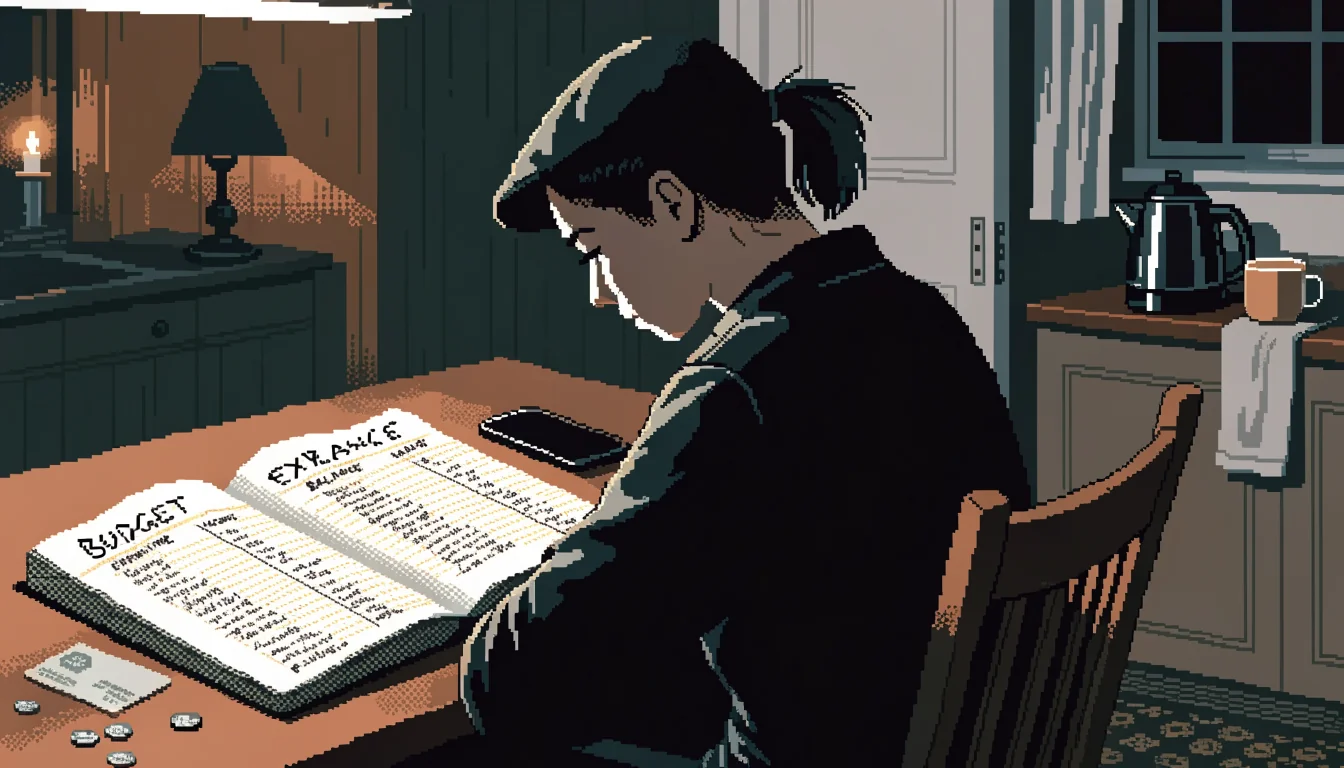
Gambling involves financial risk. It is not a way to earn money or a solution to debt, bills or other money problems. A limit can restrict activity; it cannot turn gambling into a source of income.
Signs that gambling may be becoming a problem
The pattern matters more than a single session. Warning signs include:
- spending more than intended, or increasing stakes to try to recover losses;
- gambling with money set aside for rent, bills, food or other necessary costs;
- borrowing, using credit or selling possessions to fund gambling;
- hiding gambling activity, losses or transactions from family or others;
- repeatedly trying to stop or cut down, then returning to gambling;
- spending time gambling that was meant for work, sleep or other responsibilities;
- feeling distressed, restless or preoccupied when unable to gamble.
These are observable changes, not a diagnosis. If several are present, stopping access to gambling and seeking support are practical next steps. Chasing losses adds another stake to an amount already lost; it does not reverse the result.
Tools that can restrict gambling
UK-licensed casinos must provide responsible gambling tools, including self-exclusion. Remote operators must prompt new customers to set a financial limit before their first deposit and provide accessible controls for account-level limits. Available controls depend on the operator and account; they may include limits on deposits or other gambling activity, time-outs and self-exclusion.
Use the account’s responsible gambling settings to set a limit or exclude access. Where gambling cannot be stopped through account controls alone, request self-exclusion from the operator and consider blocking access to payment methods used for gambling. A limit should be set before gambling, not adjusted upwards in the middle of a session.
Operators must verify a customer’s age before allowing deposits into a gambling account. This does not make gambling suitable for everyone. UK rules also prohibit autoplay on online slots, require at least 2.5 seconds between slot game cycles, and cap the total stake in an online slots game cycle at £2 for an individual under 25 or £5 for an individual aged 25 or older. These controls do not remove the risk of losing money.
Remote gambling operators cannot accept credit-card payments for gambling, including credit-card funding routed through a money service business. They also cannot accept wallet payments where the wallet allows credit-card funds to be used for gambling. A payment restriction is not a substitute for setting limits or stopping gambling.
Where to turn
No verified UK gambling-support organisation, service address or phone number is available for this page. No contact details are provided rather than guessing or supplying an unverified route.
A practical immediate step is to open the casino account’s responsible gambling section and activate its limit or self-exclusion controls. If those controls are unavailable or do not work, use the operator’s complaints process and request escalation. UKGC licensees must offer an internal complaints process and access to an approved Alternative Dispute Resolution service. Licence details and a link to public register information must be shown on websites and apps provided under a remote licence.
If gambling is creating immediate financial pressure, contact the relevant bank or payment provider using details on an official statement or the provider’s verified website and ask about restricting gambling transactions. Do not rely on a payment provider to assess whether gambling is safe or to carry out an operator’s identity checks.
About Newnongstopcasinos
This page sets out general information, not personal financial or medical advice. Gambling controls and account features are supplied by operators; their presence does not guarantee that losses will be prevented. Stop gambling when it is causing financial or personal harm, and do not use borrowed money or money needed for essentials to continue.